Strawberries in March: The Quiet Shift Happening at Your Local Farm Stand
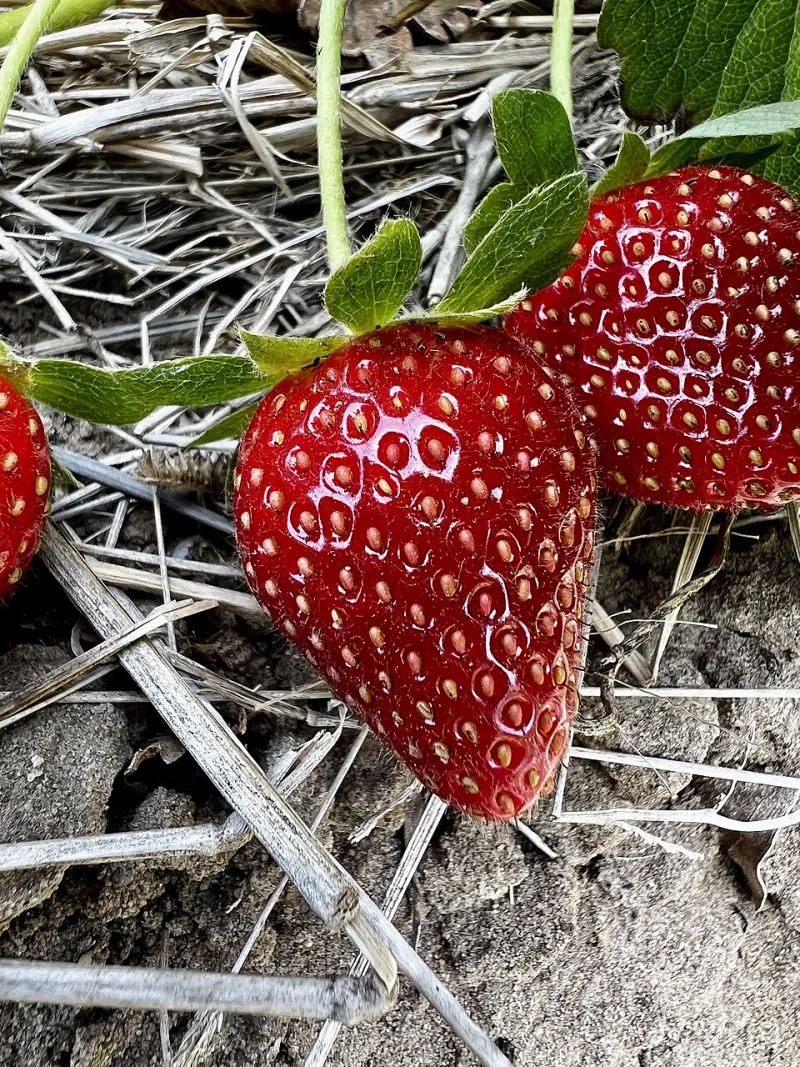
Photo: Wuzyprod, CC BY-SA 4.0, via Wikimedia Commons
Ask a longtime farmers market regular when the good stuff arrives, and you'll get a story. In Maryland, strawberry season used to mean Memorial Day weekend. In parts of Georgia, peaches that ripened in July are now ready weeks earlier. Across the country, the calendar that governs local food is quietly redrawing itself — and you can taste the difference before you read a single climate report.
The Checkout as a Data Set
Climate scientists track something called the "first bloom" date — the day plants flower each spring. It's one of the cleanest signals we have, and it's been trending earlier for decades. National Phenology Network records show spring leaf-out arriving days to weeks sooner across much of the US than it did twenty years ago.
But you don't need a dataset to see it. Market vendors are living it. Talk to a grower who's worked the same fields for 15 years and you'll hear the same refrain: the season starts sooner, ends hotter, and doesn't always cooperate. Early warmth coaxes fruit out of dormancy, then a late frost — arriving after the trees have already committed — can wipe out a whole crop. Ask any Michigan cherry farmer about 2012, when a record-warm March was followed by an April freeze that destroyed most of the tart cherry harvest.
What Shoppers Are Actually Seeing
A few patterns show up again and again at market tables:
- Earlier everything. Strawberries, asparagus, and cherries tend to lead the shift, often arriving one to three weeks ahead of the dates their parents remember.
- Compressed peaks. Heat rushes fruit through ripening. A peach season that once stretched six weeks might now deliver a brilliant but brief two-week window.
- New arrivals. Warmer zones mean some growers are trialing crops that never worked before — figs in the Mid-Atlantic, longer runs of tomatoes in places that used to struggle.
None of this is a bonus haul, by the way. Earlier isn't better for the farmer. It means more weather whiplash, more pest pressure, and more risk packed into every planting decision.
Eating Seasonally When the Season Won't Sit Still
The old advice — eat what's local and in season — still holds. It just requires updating your internal calendar more often than your mother did.
Shop the table, not the date. Instead of assuming tomatoes start in June, let the market tell you. Vendors pick at peak, so whatever's piled high this week is what's actually thriving right now.
Ask the question. "How's the season looking this year?" is the most useful thing you can say to a grower. You'll learn whether the crop is early, late, or stressed — and you'll build the kind of relationship that makes seasonal eating second nature.
Flex your preserving habits. When peaks compress, the window to put food by shrinks. If you freeze berries or can tomatoes, watch the market closely and buy in bulk when the moment hits, not when your calendar says it should.
Expect some misses. A warm February isn't a promise. Frost cloth, crop diversity, and staggered plantings are how farmers hedge — buying from them through the lean weeks is how you help them absorb those bets.
Backing the Growers Who Are Adapting
Adaptation costs money: shade cloth, irrigation upgrades, new varieties, high tunnels that buffer temperature swings. Every dollar you spend at a small farm stand is a vote for that flexibility. A few ways to make it count:
- Join a CSA. Community Supported Agriculture shares give farms upfront cash in spring — exactly the cushion they need when a season goes sideways.
- Buy the ugly and the abundant. When heat spikes cause a glut or cosmetic quirks, purchasing the imperfect surplus keeps waste down and revenue steady.
- Show up off-peak. Early and late in the season, foot traffic drops but costs don't. Consistent customers in shoulder weeks are worth their weight in gold.
A New Kind of Seasonal Eating
There's a strange upside here. Paying closer attention to a wobbling calendar makes you a more engaged eater — more connected to place, more aware of weather, harder to fool with jet-lipped produce flown in from another hemisphere. The season is changing whether we like it or not. Tasting that change, and supporting the people growing through it, is one of the most grounded forms of climate awareness there is.
Your first local strawberry of the year is a small thing. But noticing when it arrives — and how that date drifts — turns a Saturday errand into a front-row seat to a changing world.