I Followed My Recycling Bin for a Week. Here's Where It Actually Ends Up.
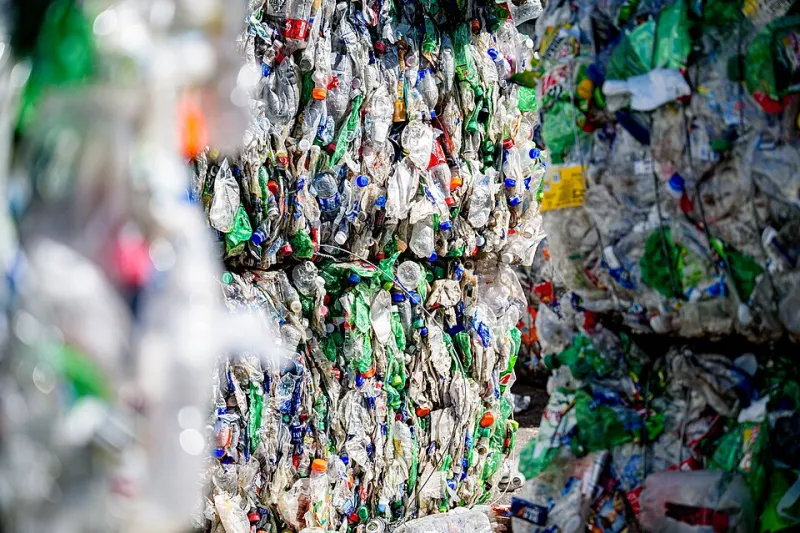
Photo: Greenville, NC, Public domain, via Wikimedia Commons
It started with a simple question I couldn't answer: when I toss a cereal box into the blue bin, am I actually recycling, or just performing it?
So I did what any curious person would do. I kept every recyclable my household generated for seven days, asked a lot of questions, and talked my way into a tour of the materials recovery facility — the MRF, pronounced "murph," if you want to sound like you know things — that handles my county's stream.
What follows is the honest version of where it all goes. Some of it surprised me. Some of it stung a little.
Monday: The Bin Fills Up Faster Than You Think
By day three, my staging area in the garage was embarrassing. Two gallon jugs, a mountain of Amazon cardboard, a pasta sauce jar, a pizza box with a grease stain the size of a coaster, a plastic clamshell from the salad bar, and — I'll admit it — a chip bag I tossed in on autopilot.
That chip bag, it turns out, is exactly the problem.
"People want to do the right thing," a sorting line supervisor told me. "So they throw everything in. And everything is the worst thing they can do."
The industry has a name for it: wish-cycling. Tossing something questionable into the bin and hoping the system sorts it out. Except the system can't, and one wrong item can drag down an entire batch.
What Actually Happens at the Sorting Facility
Picture a Rube Goldberg machine the size of a Walmart, running at full tilt. My recyclables got dumped onto conveyors and raced through a sequence that goes something like this:
- Pre-sort workers pull out plastic bags, hoses, and anything tangled — by hand, fast.
- A disc screen separates cardboard and paper, which float across the discs, from containers, which fall through.
- Magnets grab steel; an eddy current launcher repels aluminum cans off the line like tiny magic tricks.
- Optical scanners blast jets of air to push specific plastics into their own lanes, reading the resin types at highway speed.
- Humans catch what the machines miss.
Here's the number that stuck with me: contamination rates at American MRFs commonly run 15 to 25 percent. That's not a rounding error. That's one in four items in the average bin that shouldn't be there — and every one of them costs money to pull out, or worse, ends up mixed into bales of paper that a buyer rejects.
The Numbers on the Bottom, Decoded
That little triangle with a number inside? It's a resin identification code, and it's not a recycling guarantee. It just tells you what kind of plastic it is.
- #1 (PET) — water and soda bottles. Widely recycled, high demand. Toss the cap back on (most facilities now want caps on).
- #2 (HDPE) — milk jugs, detergent bottles. The workhorse. Recycle with confidence.
- #5 (PP) — yogurt cups, bottle caps. Increasingly accepted, but check locally.
- #6 (PS) — styrofoam and some rigid items. Almost never recyclable curbside.
- #3, #7, and anything flexible — the long shots. Assume no.
The catch: whether a plastic is recyclable depends far less on the number than on whether there's a buyer for it near you. Recycling is a market, not a moral promise. Your city's solid waste website is more truthful than any label on the package.
The Contaminators Hiding in Plain Sight
A few items came up again and again as bin-killers:
- Plastic bags and film. They jam the rotating screens. Facilities shut down lines multiple times a day to cut them out. Take them to grocery store drop-offs instead.
- Greasy pizza boxes. A lightly soiled top is usually fine; a grease-soaked bottom is a paper contaminant. Tear and split the box.
- Chip bags and pouches. They're fused layers of plastic and foil — technically a material, practically unrecyclable curbside.
- Anything smaller than a credit card. K-cups, shredded paper, bottle caps loose in the bin. They fall through the machinery.
- "Compostable" plastics. They need industrial composting, not a recycling line. Into the trash or a composter they go.
Friday: The Honest Ending
By the end of the week, I learned where my stuff realistically lands. Bottles become bottles again (again and again — PET is the champ of closed loops). Aluminum is the rock star: recycled cans are back on shelves in about 60 days. Cardboard has a robust domestic market. But the flimsy plastics, the pouches, the clamshells? A lot of that is fuel or landfill, no matter how clean the bin.
The takeaway isn't despair — it's precision. Recycling works when we treat it like the finicky industrial process it is. Buy less packaging. Recycle the big five: cardboard, paper, cans, bottles, jugs. And leave the chip bag out of the bin, no matter how much you wish otherwise.
Your bin isn't a wish well. It's the front door of a factory — and factories have rules.