Six Months of Scraps: What My Compost Bucket Revealed About the Way America Shops
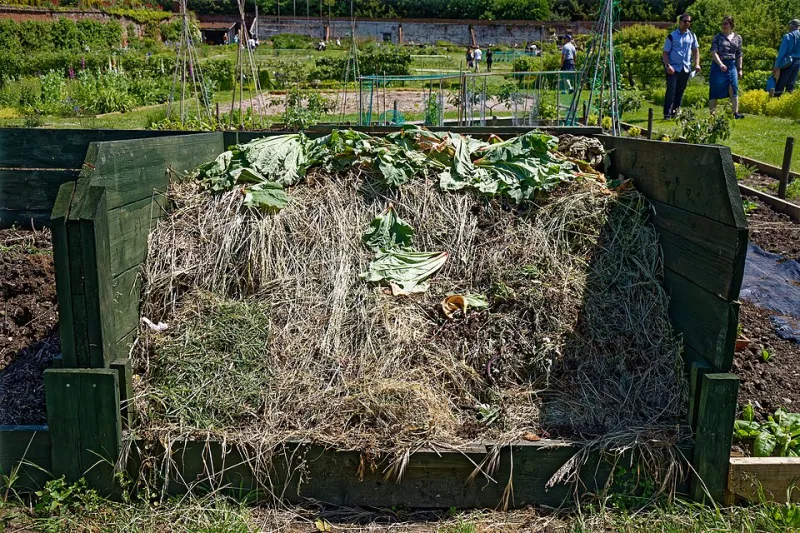
Photo: Acabashi, CC BY-SA 4.0, via Wikimedia Commons
The Bucket That Started as a Guilt Trip
It began innocently. A $20 stainless steel pail with a charcoal filter, wedged next to my trash can like a very polite begonia. I figured composting would be a nice little eco-habit. What I didn't expect was that six months of scraping plates would turn me into a forensic accountant of my own refrigerator.
Because here's the thing nobody tells you: your compost bucket is a mirror. Every wilted spinach clamshell, every science-experiment cucumber, every heel of bread you swore you'd turn into croutons — it all ends up in the bin, staring back at you.
The Numbers I Wasn't Ready For
I weighed my scraps weekly (yes, I became that person) and tracked what actually belonged there. Roughly 40% of my compost wasn't scraps at all — it was edible food. Lettuce gone slimy. Half a bell pepper forgotten behind the oat milk. An entire bag of carrots that went soft because I kept buying more carrots.
That tracks with national data. The USDA estimates that 30 to 40% of America's food supply is wasted, and the average household tosses hundreds of dollars of groceries a year. Seeing it in my own bucket made the statistic personal. That soggy romaine? That's $3.49. Those forgotten strawberries? $5.99, plus the gasoline I burned acquiring them.
My compost bucket didn't just teach me about decomposition. It rewired my grocery list. I started shopping smaller, planning leftovers, and freezing things at the first sign of trouble. Food waste dropped by what I'd guess was half.
Choosing Your Composting Method: A Field Guide
If you want to start your own confessions bucket, here's the honest breakdown — costs and smells included.
Countertop bin ($15–$30). The classic. A lidded pail or ceramic crock you empty every few days into a larger outdoor pile or a municipal drop-off. With a charcoal filter, odor is minimal — think faint earthiness, not horror movie. The catch: you still need somewhere for the scraps to go.
Worm bin ($30–$100 DIY, $100+ pre-made). Vermicomposting uses red wigglers to eat your scraps in a compact tote, garage corner, or balcony setup. It's faster than a backyard pile and works in apartments. It is also, briefly, a hobby. Your worms need the right temperature, the right moisture, and absolutely no citrus overload. Mistakes smell like regret. Success smells like a forest floor, which is genuinely delightful.
Curbside organics program (often $5–$15/month). More than 300 US communities now offer curbside compost pickup, and many cities — San Francisco, Seattle, Denver, Portland — have made it standard. You toss scraps in a provided bin, done. Zero effort, small fee. Check your city's sanitation website or ask at the farmers market; if it exists in your town, this is the lowest-friction win available.
Electric countertop composter ($250–$400). Brands like Lomi and Re:Grid (and KitchenAid's entry) dehydrate and grind scraps into a dry, soil-like material overnight. No smell, no worms, no waiting. The honest caveat: they use electricity and the output isn't fully finished compost — most manufacturers recommend mixing it into soil or letting it cure. It's a convenience purchase, not a purity purchase.
Getting the Mix Right
Whatever route you pick, remember the golden ratio: roughly two parts "browns" (dry leaves, shredded cardboard, paper towels) to one part "greens" (food scraps). Skip meat, dairy, and oily foods unless your system is built for them — that's what attracts raccoons and neighborhood complaints.
The Real Payoff
My compost bucket now feeds a garden bed that produces tomatoes I absolutely did not earn. But the bigger change happened in my shopping cart. Composting made waste visible, and visible waste is hard to ignore.
Live lighter, tread greener — sometimes it starts with a bucket and a little honesty about what you're really eating.