Back-to-School Without the Cart: How My Family Cut August Consumption in Half
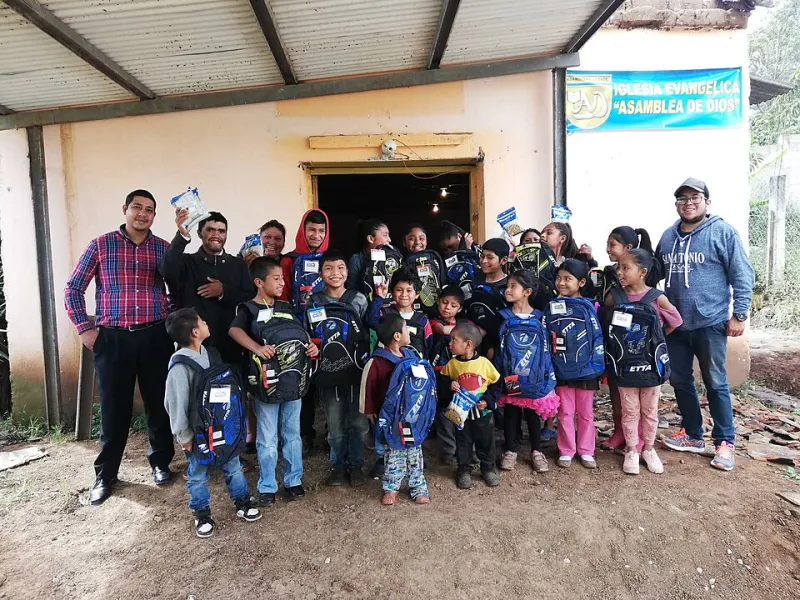
Photo: amslerPIX, CC BY 2.0, via Wikimedia Commons
Every August, a strange thing happens in American households. Backpacks get replaced when last year's is still perfectly fine. Pencil boxes multiply. A twelve-pack of glue sticks shows up even though four survived spring. The back-to-school aisle has quietly become the second-biggest consumption event of the year, trailing only the winter holidays—and unlike December, almost nobody talks about it.
I didn't set out to make our family's school season greener. I set out to make it saner. What we ended up with was less spending, less clutter, and—this is the part that surprised me—kids who didn't feel deprived at all.
The Numbers Hiding in the Supply List
The average US family now spends several hundred dollars per child on back-to-school shopping, and a lot of that haul ends up in a desk drawer by October. Markers dry out unopened. Notebooks get used halfway. And the single biggest category—electronics—gets replaced on a cycle driven by marketing, not by need.
The fix isn't a lecture. It's an inventory.
Before buying anything, we do a "school-supply scavenger hunt" at home. One kitchen table, everything from last year gathered in a pile, and a simple question: what do we actually still have? Pencils don't expire. Scissors last a decade. The ruler from third grade still measures things. On average, our scavenger hunt covers more than half the list before we leave the house.
Secondhand Is the New Back-to-School Store
What can't be found in the pile often lives in someone else's pile. Thrift stores and consignment shops in most American towns have figured out that August is a season, and their racks reflect it—gently used backpacks, lunchboxes, and enough barely-worn sneakers to outfit a small district.
We've made one ritual of it: each kid gets a set budget for the season, and whatever they save by buying secondhand is theirs to keep. It turns frugality from a rule into a game. My daughter once found a near-perfect jacket for eight dollars and walked out feeling like she'd beaten the system. She had.
The Birthday-and-Hand-Me-Down Pipeline
Clothes are where back-to-school spending really balloons, and where the secondhand option shines brightest. Kids outgrow things faster than garments can wear out—which means the used market is full of items with years of life left.
If your community doesn't have a robust hand-me-down network, build one. A group text among four families with kids a couple years apart can keep a wardrobe circulating for a decade. Nobody's kid is wearing "old clothes." They're wearing clothes with a story, which—once you frame it that way—kids genuinely get behind.
Power-Down Hours: The Habit That Costs Nothing
The greenest school supply is the habit your kid builds around it. Our household added one small tradition: a daily power-down hour after school. Lights off where they're not needed, devices parked on the shelf, homework or reading or backyard time instead.
It started as an energy-saving move. It became the calmest hour of our day. Kids don't need less; they need fewer inputs. And the electric bill noticed too.
Make It Culture, Not a Lecture
The mistake most eco-conscious parents make—including me, for a while—is turning sustainability into a set of nos. No new backpack. No plastic wrappers. No, no, no.
What works better is a set of yeses. Yes to the scavenger hunt. Yes to the thrift-store budget game. Yes to decorating last year's binder with stickers instead of replacing it. When the green choice is the fun choice, you don't have to enforce anything. Your kids will be the ones reminding you to grab the reusable water bottle on the way out the door.
Back-to-school season isn't going to stop being a consumption event anytime soon. But in our house, it stopped being a cart-filling event—and started being a treasure hunt. That trade turned out to be worth far more than what we saved.