Hang It Up: The Quiet Laundry Rebellion Happening in American Living Rooms
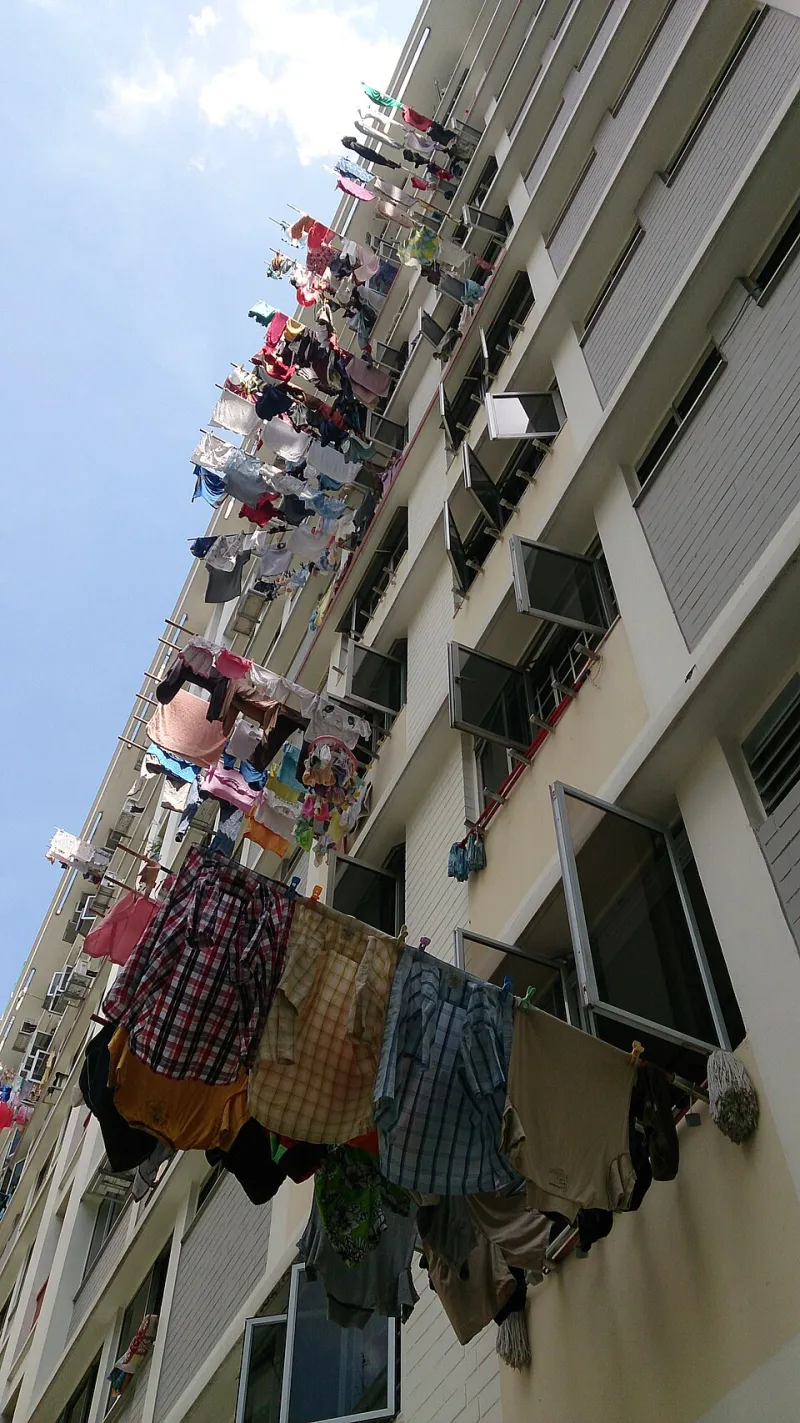
Photo: ProjectManhattan., CC BY-SA 3.0, via Wikimedia Commons
Somewhere between the second energy bill spike and the third recall notice on those fancy detergent pods, a quiet revolution started flapping in the breeze. It's made of cotton. It smells like fresh air. And it's hanging over the radiator in a one-bedroom apartment in Columbus.
Clothesline drying — yes, the thing your grandmother did and your HOA may have banned — is having a moment. And honestly? It makes the dryer look a little dramatic.
Your Dryer Is the Diva of Your Utility Bill
Let's talk numbers, because the electric dryer doesn't want you to. A typical American dryer burns through roughly 3 to 4 kilowatt-hours per load. Run five loads a week and you're looking at 800-plus kilowatt-hours a year — enough to power an energy-efficient fridge for twice as long, or run a whole summer of Netflix binges.
The dryer is consistently one of the top energy hogs in the American home, right up there with the fridge and the water heater. Except unlike those two, the dryer does a job the sun and a breeze will do for free.
Free is a strong word, but not an exaggeration. Sunlight costs nothing. Wind costs nothing. The rack you buy once costs less than two months of dryer electricity.
The Apartment Dweller's Playbook
No yard? No problem. The indoor line-drying scene has gotten genuinely clever.
Retractable wall-mounted lines are the MVP of small-space drying. Mount one in your bathroom or over the tub, pull it taut when you need it, and it disappears into the wall when company comes over. Brands like Honey-Can-Do and Household Essentials make versions that hold a full load without sagging into your shower.
Collapsible drying racks are the other workhorse. The butterfly-style wooden racks can handle an entire washer drum's worth of laundry and fold down to about the thickness of an ironing board. Slide it behind the couch or into a closet between loads.
A few pro tips from the front lines:
- Spin it twice. An extra spin cycle in the washer removes way more water than you'd think, cutting indoor drying time dramatically.
- Space it out. Clothes touching equals clothes drying slowly. Give every item breathing room.
- Aim a fan at the rack. Moving air is the whole game. A box fan on low can cut drying time in half and prevents that damp-laundry smell.
- Mind the humidity. In muggy climates, crack a window or run a dehumidifier nearby. Your walls will thank you.
The HOA Problem (Yes, Really)
Here's where it gets weird: in much of America, hanging laundry outside is literally against the rules. Homeowners associations across the country have banned clotheslines for decades, citing aesthetics — the idea that a neighbor's towels constitute a property-value emergency.
The good news? Twenty-plus states have passed "right to dry" laws that override those bans. Florida, Colorado, Texas, California, Vermont, and others protect your right to line-dry, often citing the same reason we care about it: saving energy is a public good.
If you're in an HOA, check your state's statute before you string up a line. If you're not protected, a discreet indoor setup — or a folding rack used on a patio — is usually the path of least resistance.
And if a neighbor complains? There's something almost heroic about a T-shirt drying in the sun. It's not a billboard. It's laundry, doing what laundry has done for all of human history until about 1950.
But What About the Crunch?
Ah yes. The scratchy-towel problem. Line-dried clothes can feel a bit like cardboard, and this is the moment most people reach back for the dryer.
You don't need to. Here's the fix-it list:
- Shake before you hang. A vigorous snap breaks up the stiffness before it sets in.
- Don't overdry on the wash. Fabric softener residue is actually a big culprit in crunchy towels.
- Add half a cup of white vinegar to the rinse cycle. It softens fabric naturally and the smell vanishes completely.
- Five minutes in the dryer. The hybrid method: air-dry everything, then toss towels in the dryer for five minutes with a wool dryer ball. Fluffy, cheap, and 90% less energy.
- Sunlight is nature's fabric softener for sheets and shirts. It's mainly towels that fight back.
And about those dryer sheets themselves: most are single-use, coated in synthetic fragrance, and headed straight for the trash. Wool dryer balls, used for years at a time, replace them entirely.
Start Small, Hang It All
You don't have to go full homestead. Try this: air-dry just your delicates and workout gear this week. Then add sheets. Then towels. Most people who start this way end up drying 70% of their laundry on a rack without ever making a formal decision to do so.
The savings compound, the clothes last longer (dryers are brutal on elastic and fibers), and there's a genuine, slightly smug pleasure in pulling a sun-dried sheet off the line.
It's a small rebellion. But it's a load a week, and it's yours.