Thirty Days, Zero Shopping Carts: My Month of Buying Nothing New
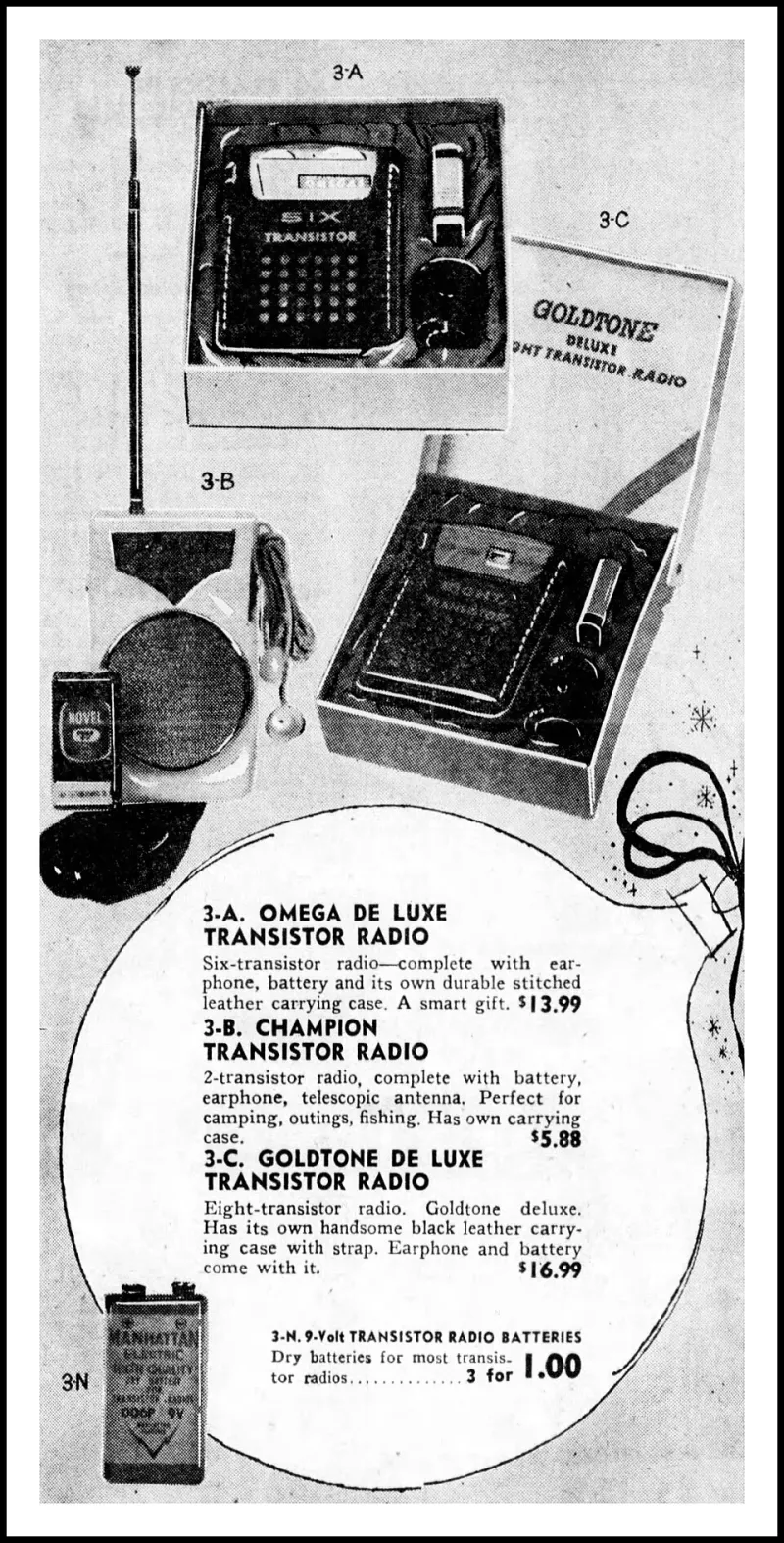
Photo: Joe Haupt from USA, CC BY-SA 2.0, via Wikimedia Commons
Let me be upfront: I like buying things. I'm the person with 47 browser tabs of items in carts I'll never check out. So when I decided to spend 30 days sourcing everything I needed — clothes, a desk, a birthday gift, a cast-iron skillet — exclusively from thrift stores, resale apps, and Buy Nothing groups, I assumed the challenge would be supply. It wasn't. The challenge was me.
The Rules (and the Loopholes)
The ground rules were simple: nothing new, except true non-negotiables — underwear, socks, and a phone charger cable, because some things deserve to start life with only one previous owner. Everything else had to come from secondhand channels: Goodwill and local thrift shops, Facebook Marketplace, Poshmark, eBay, estate sales, and my neighborhood's Buy Nothing group, which turned out to be the secret weapon of the whole experiment.
Week One: The Sizing Gauntlet
The first friction point showed up fast: clothes. Online resale means guessing your size from photos and a hopeful description. I ordered a "medium" blazer that arrived closer to a small, and a vintage denim jacket that fit like it was tailored for me. That's the gamble — returns are often impossible or not worth the shipping.
But here's what I didn't expect: the wins hit harder than retail wins ever do. A wool Pendleton-style coat for $22. A nearly new pair of leather boots for $18. When something fits, you didn't just buy it — you found it. There's a dopamine difference between clicking "add to cart" and unearthing something nobody else noticed.
Week Two: The Buy Nothing Miracle
If you haven't joined a Buy Nothing group, picture this: a hyperlocal gifting network where neighbors post everything from moving boxes to exercise bikes, no money involved. In one week I picked up a desk lamp, three glass storage jars, and a stack of board games for my nephew's birthday — all within a half-mile of my apartment.
The gift was the real test. I'd assumed secondhand gifting would feel cheap. Instead, a vintage Scrabble box in great condition felt more thoughtful than anything on a registry. My sister-in-law actually asked where I found it.
Week Three: The Heirloom Lesson
Mid-month, I needed a skillet. New cast iron runs $20–$40, so I expected the secondhand route to be a wash. Instead, I found a 1960s Griswold at an estate sale for $25 — a pan with a lifetime of seasoning already built in and a resale value that's probably tripled since. That's when the pattern clicked: a lot of older stuff was simply built better. Solid wood furniture, full-grain leather, heavy glassware. Buying it used isn't a compromise; sometimes it's an upgrade.
Week Four: The Real Discovery
The final week, something unexpected happened: I stopped needing things. The urge to browse — the thumb that drifts to shopping apps during boring meetings — quieted down. Without the option to buy new, my "wants" list shrunk to almost nothing. Turns out a lot of my consumption was less about the object and more about the clicking.
I tallied the month at the end: roughly $310 spent, versus an estimated $900+ at retail prices. And based on resale footprint estimates, I kept a few hundred pounds of goods in circulation instead of demand for new manufacturing.
Would I Do It Again?
Absolutely — with tweaks. Next time I'll measure myself properly before clothing hunts, budget more time for furniture pickups (Marketplace sellers are flaky everywhere, apparently), and start every search with Buy Nothing before any app.
The US resale market is projected to keep outpacing traditional retail for years, and after this month, I get why. It's cheaper, it's greener, and every so often it hands you a 60-year-old skillet with a story. The impulse buys don't miss me. Honestly, I don't miss them either.