Ten Minutes, Real Impact: Tiny Green Wins You Can Bank This Week
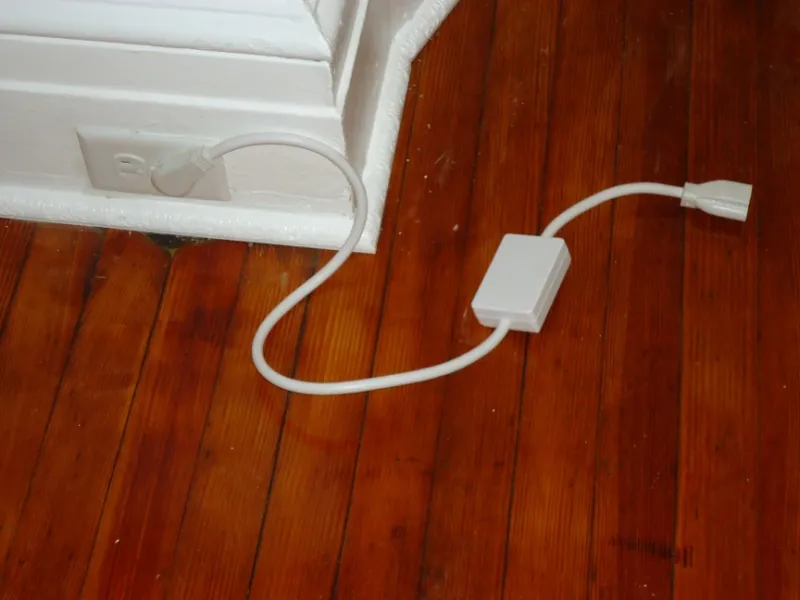
Photo: Tomwsulcer, CC0, via Wikimedia Commons
Here's a number that surprises most people: the average American household pumps out roughly 16 tons of CO2 a year. That sounds like a problem only engineers and politicians can solve. It isn't. A surprising chunk of that footprint comes from small, invisible daily leaks — the phantom power drain, the food scraps headed to a landfill, the dryer humming on a sunny afternoon.
The good news? Fixing those leaks doesn't take a weekend or a budget. Most of the habits below take less time than scrolling your phone with a cup of coffee. And unlike a lot of eco-advice out there, each one comes with real numbers attached — both in carbon and in dollars, because let's be honest, we're all watching the utility bill right now.
Kill the Energy Vampires (2 Minutes)
Your TV, gaming console, coffee maker, and phone chargers sip electricity around the clock, even when they're "off." The EPA estimates standby power accounts for 5–10% of a typical home's electricity use. For an average American household paying about $1,800 a year in electricity, that's up to $180 going to devices that aren't doing anything.
The fix is almost comically simple: plug clusters of electronics into a power strip and flip it off when you walk away. Two minutes of effort, roughly 500 to 1,000 pounds of CO2 avoided per year, and a meaningful dent in your bill.
Wash Cold, Save Hot (1 Minute)
About 75% of the energy used in a laundry cycle goes to heating water. Switch your dial to cold and you cut your per-load energy use dramatically — the American Cleaning Institute notes modern detergents are formulated to work just fine in cold water anyway.
Run four loads a week? Going cold can save around $60 a year and eliminate hundreds of pounds of CO2 annually. The habit itself takes literally one press of a button.
Air-Dry a Load a Week (5 Minutes)
The clothes dryer is one of the hungriest appliances in your home — roughly 3 kWh per load. Hang even one load a week on a rack or a backyard line and you'll save around $15–20 a year and skip about 100 pounds of CO2. Bonus: your clothes last longer when they're not getting tumbled to death. Fewer replacements, less waste.
Make Leftovers a System, Not an Afterthought (10 Minutes)
American households toss roughly a third of the food they buy — about $1,500 per family per year, according to Feeding America estimates. When that food rots in a landfill, it releases methane, a greenhouse gas far more potent than CO2.
Spend ten minutes on Sunday designating a "eat this first" shelf in your fridge and labeling leftovers with a date. It's meal prep's low-effort cousin. Cutting household food waste in half can save a family real money and prevent hundreds of pounds of CO2-equivalent emissions a year.
Batch Your Errands (5 Minutes of Planning)
Every cold engine start is a thirsty one. Combining errands into one loop instead of three separate trips can trim 20% or more off those miles' fuel use. If gas is hovering near $3.50 a gallon, shaving 10 miles a week puts about $50 a year back in your pocket — and keeps several hundred pounds of CO2 out of the atmosphere.
Drop the Thermostat Two Degrees (30 Seconds)
The Department of Energy estimates you'll save around 3% on heating costs for every degree you dial back over eight hours. Nudge it down two degrees overnight (a programmable or smart thermostat makes this automatic) and you're looking at roughly $100+ a year on heating and up to 1,000 pounds of CO2, depending on your region and fuel source. Toss on the flannel pajamas. You'll survive.
Swap One Paper Towel Roll for a Stack of Rags (3 Minutes)
Paper towels are a quiet budget leak — a family going through two rolls a week spends $75+ a year on something you use for eleven seconds and throw away. Cut up an old t-shirt, keep a stack under the sink, wash once a week. Lower footprint, zero recurring cost.
The Math That Matters
None of these habits will save the planet alone. Stack them, though, and you're looking at $300–500 in annual savings and roughly a ton of CO2 — about 6% of the average household footprint — for less than an hour of actual effort per week.
That's the whole philosophy behind living a little greener: you don't have to do everything. You just have to do the next small thing. Pick two from this list and start this week. Your wallet will notice before your conscience does.