Thirty Days of Unwrapped Groceries: What I Saved, Spilled, and Learned
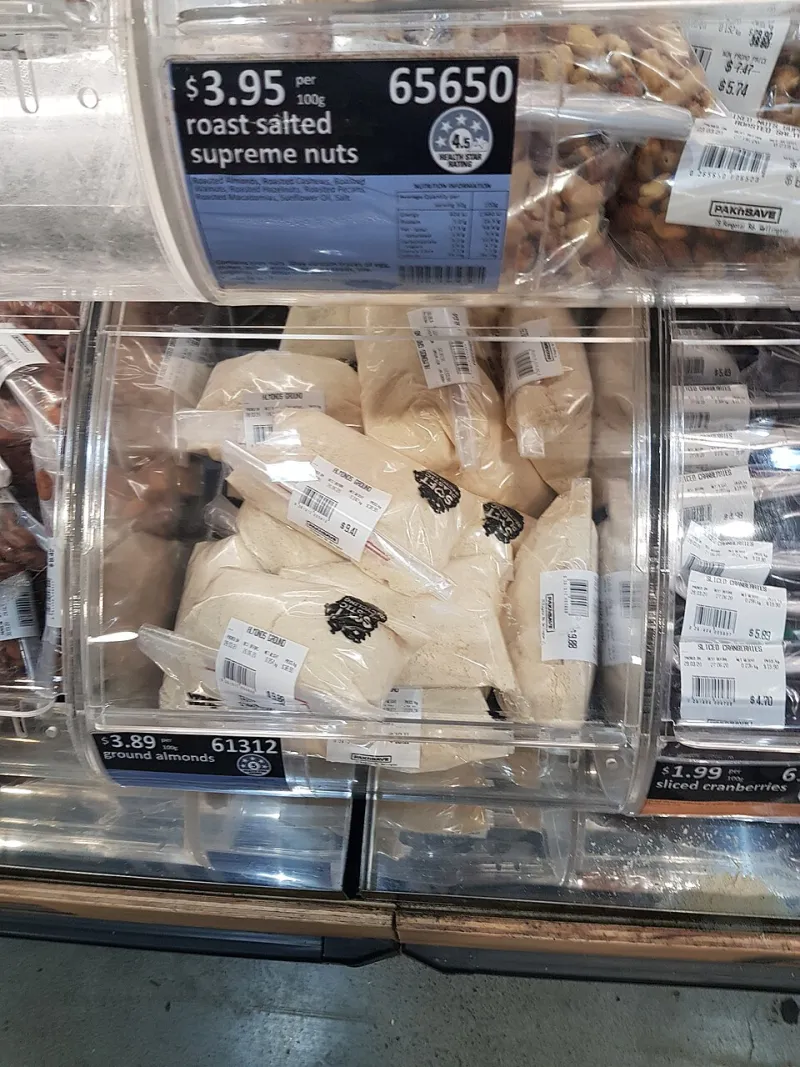
Photo: Siobhan Leachman, CC0, via Wikimedia Commons
On the first morning of my package-free experiment, I stood in my kitchen with a tote bag full of mason jars, a Sharpie, and the dawning realization that I had no idea what lentils cost by the pound. Thirty days later, I know exactly what lentils cost by the pound. I also know which grocery store clerks will happily tare my jars and which ones treat a reusable container like a security threat.
Here's how it went — the receipts, the spills, and the stuff I simply couldn't buy without plastic.
The Rules I Set for Myself
The ground rules were simple: for 30 days, everything edible had to come home without single-use packaging. Bulk bins were fair game, farmers markets counted, and refill stores — the shops where you bring your own containers for oil, honey, detergent, and spices — were my new favorite errand. If an item only existed in packaging, I either skipped it or found a workaround. Mostly skipped it, honestly.
The point wasn't purity. It was data. I wanted to know what happens to a normal American family's grocery bill, trash can, and sanity when the packaging disappears.
Week One: The Awkward Phase
Nobody tells you how strange it feels to hand a cashier a jar of oatmeal you weighed yourself in the produce aisle of a chain grocery store. The first time, I apologized so many times the clerk looked concerned.
A quick tip for anyone trying this: most stores with bulk bins will tare your containers — weigh them empty and subtract that from the final weight — if you ask at the customer service desk first. Calling ahead saved me from standing at the register explaining what "tare" means while a line formed behind me.
Farmers markets, by contrast, were a revelation. Vendors loved my containers. The egg guy at my local market started saving me flats. One peach farmer threw in bruised fruit for free because I told him I'd compost the soft ones. Packaging-free shopping turned out to be weirdly social. When you're not grabbing a plastic clamshell and speed-walking away, you end up talking to the people who grew your food.
The Actual Money Math
I expected to pay a premium for the virtue of less waste. I was wrong — mostly.
Staples from bulk bins routinely beat packaged equivalents by 30 to 60 percent. Rolled oats: $0.99 a pound loose versus $2.50 boxed. Brown rice, black beans, popcorn kernels, and peanut butter (yes, grinders exist) all came in meaningfully cheaper. Over the month, my grocery total dropped about 18 percent compared to the previous three months, saving roughly $140 for a household of three.
Where I lost money: specialty refill items. Olive oil, maple syrup, and dish soap from the refill shop ran 10 to 25 percent above their bottled counterparts. And the startup cost is real — I dropped about $60 on jars and cloth produce bags before the experiment began. That's an investment that pays back, but week one's budget felt it.
The Staples That Broke Me
Let's be honest about the limits. Some things in a standard American grocery store are essentially imprisoned in plastic, and no amount of determination changes that:
- Yogurt. Local dairies with returnable glass jars exist in maybe a dozen states. Not mine.
- Tortillas. The farmers market vendor sold them wrapped in — you guessed it — plastic.
- Cheese. Wax paper exists, but almost nobody behind a deli counter will use it without being begged.
- Soy sauce, vinegar, condiments. Refill shops carry some, but my small city's options were limited to a single store with limited hours.
- Chips. I just gave up. My family noticed within four days.
Which is the real lesson: going fully package-free in most of the US is less a lifestyle than a spectrum. Every plastic bag you skip matters, but perfection is a recipe for quitting by February.
The Starter Kit for Normal Families
If zero-waste sounds exhausting, start smaller. This is the kit I'd recommend to anyone:
- Three mason jars and two cloth produce bags. Under $20 total. Use them for bulk oats, rice, and nuts.
- One refill errand per month. Pick dish soap or laundry detergent — the packaging-to-product ratio on cleaning supplies is atrocious, so that's where refills shine.
- A market habit, not a market obsession. Even one farmers market trip a week replaces a surprising amount of clamshell produce.
- A tare app or a Sharpie. Write jar weights on the lids. Future you will be grateful.
Finding Refill Shops Near You
The refill store scene has exploded since 2020 — there are now independent shops in nearly every state, from Zero Waste stores in Portland and Austin to small refill counters inside co-ops in Ohio and Georgia. Search "refill store near me" plus your city, check the Litterless directory online, or ask at your local natural foods co-op; many now have bulk refill walls for household goods. If you're in a rural area, mobile refill vans are increasingly making the rounds at farmers markets — worth checking your market's vendor list.
Verdict: Naked Groceries, Closer Wallet
A month without packaging didn't turn me into a zealot. I still bought tortillas in plastic. But the habits stuck: the bulk bin aisle is now my default, my trash output dropped by roughly a third, and the $140 in savings is paying for the jars that started it all.
Living lighter, it turns out, doesn't require going without. It mostly requires bringing a jar and asking a question or two. Tread greener, one unpackaged staple at a time.