The Coldest Room in Your House Is Sitting on Hundreds of Dollars
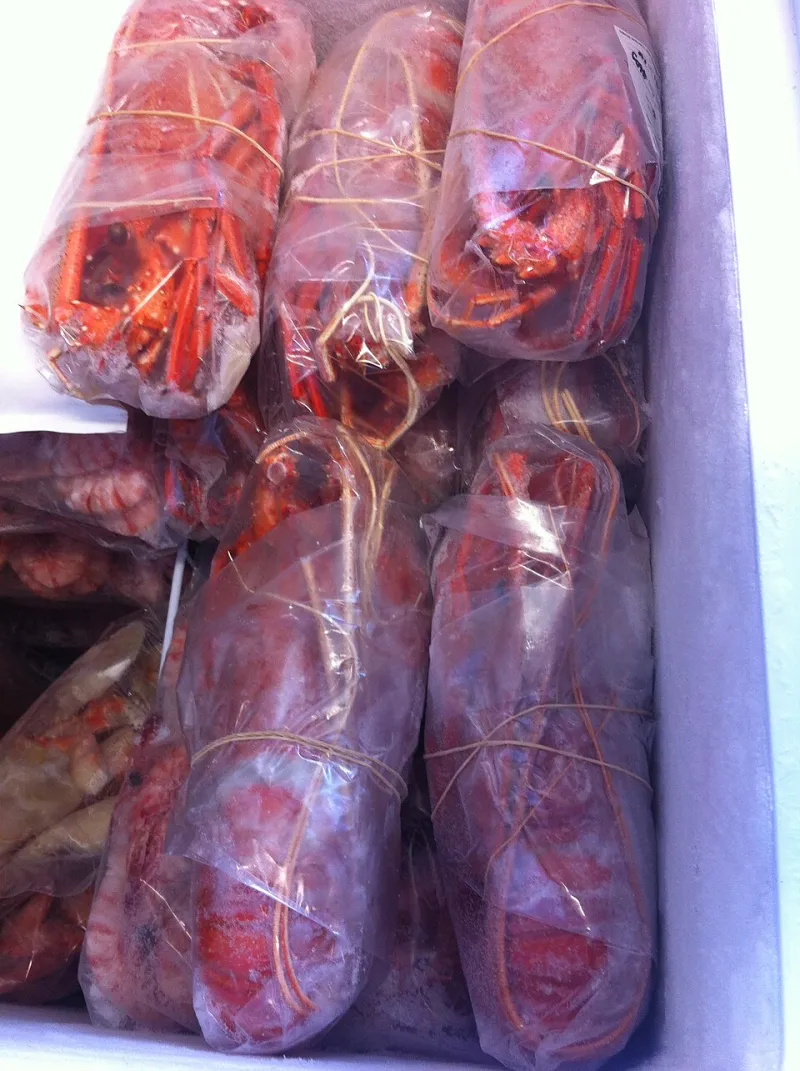
Photo: WestOz, CC BY-SA 3.0, via Wikimedia Commons
Open your freezer right now. Go ahead — I'll wait.
If you're like most Americans, you just found a bag of frost-bitten peas from an era you can't quite date, half a loaf of bread doing its best archaeology impression, and maybe a single lonely popsicle. That's not a pantry. That's a mausoleum.
Here's the thing: that cold box is arguably the most underused climate tool in your kitchen. Food waste is one of the biggest — and most fixable — sources of household emissions in the US. Roughly a third of the food produced here never gets eaten, and when it rots in a landfill, it pumps out methane, a greenhouse gas far more potent than CO2 in the short term. Your freezer, used well, is the single best defense against throwing food (and money) in the trash.
The Math Nobody Talks About at Checkout
The average American household tosses somewhere between $1,300 and $2,000 worth of food every year. Not exotic food. Bananas. Leftover chili. The second half of the sourdough you swore you'd finish.
Freezing doesn't just save that food — it saves it at peak quality. That farmers' market flat of strawberries you impulse-bought in June? Frozen at ripeness, they'll be better in January than anything in the produce aisle. The half-batch of bolognese you didn't want to eat four nights in a row? Frozen, it's a Tuesday-night gift from your past self.
Think of it this way: every container you freeze instead of toss is money you already spent, rescued from the landfill.
What Actually Lasts (and What's a Myth)
Let's clear up the biggest freezer misconception: frozen food doesn't go bad — it goes boring. Freezing pauses bacterial growth entirely. What degrades over time is texture and flavor, not safety. With that in mind:
- Practically forever: Whole chickens, roasts, butter, nuts (for baking), corn, and anything in a solid frozen block. A year-old pork shoulder is still dinner.
- Great for 3–6 months: Cooked soups, stews, chilis, casseroles, bread, shredded cheese, cooked rice and grains.
- Fragile but worth it: Berries, sliced stone fruit, pesto, cooked pasta (undercook it first), and anything creamy — dairy-based sauces can separate, but a quick whisk usually revives them.
- Skip it: Lettuce, cucumbers, whole raw potatoes, and fried foods you want crispy. The freezer won't do them any favors.
The "expired" date on frozen food is a quality suggestion, not a safety verdict. Trust your nose and your standards, not the stamp.
The Flash-Freeze Trick That Changes Everything
Here's the technique that separates a working freezer from a frozen junk drawer: flash freezing. Spread berries, banana coins, cookie dough balls, sliced peppers, or dumplings on a sheet pan in a single layer, freeze them solid for a few hours, then bag them up. Now nothing welds into one giant iceberg lump, and you can pour out exactly what you need.
It takes five minutes of active effort and saves you from the sad moment of chiseling a brick of frozen mango off the countertop.
Your Four-Week Freezer Playbook
You don't need to overhaul your life. Just build the habit in layers:
Week 1 — Triage. Pull everything out, toss what's truly beyond saving (compost the non-meat scraps), and take inventory. A simple note on the door — "chili x2, bread x1, peas x1 ( RIP )" — does wonders.
Week 2 — Double it. Whatever you cook this week, cook double. Eat half, freeze half. Lasagna, taco filling, curry, soup — almost everything simmers and braises beautifully after freezing.
Week 3 — Rescue the produce. That wilting spinach? Sauté and freeze it. Soft bananas? Peel, slice, bag — smoothie gold. Grapes going soft? Frozen, they're basically candy. Farmers' market hauls and grocery markdowns are your raw material.
Week 4 — Run the rotation. Adopt the "first in, first out" rule: eat the oldest stuff first. Put new items at the back. Label everything with contents and date — a strip of painter's tape and a marker cost about two dollars and prevent a hundred mysteries.
The Payoff, Measured
After a couple of months of this, most households notice three things: the grocery bill drops because you're shopping your own freezer before the store; weeknight cooking gets easier because dinner is often a reheat away; and the trash can smells a lot less like regret.
And the climate math adds up too. Wasted food in the US generates emissions on par with the aviation industry. You won't fix that with one freezer bag — but multiply a rescued leftovers habit across a neighborhood, a town, a country, and suddenly the coldest room in the house is part of the warmest idea going.
Live lighter. Freeze smarter. Your wallet and the planet will split the savings.