Rake Season Is a Scam: What Your Yard Wants You to Know About Fallen Leaves
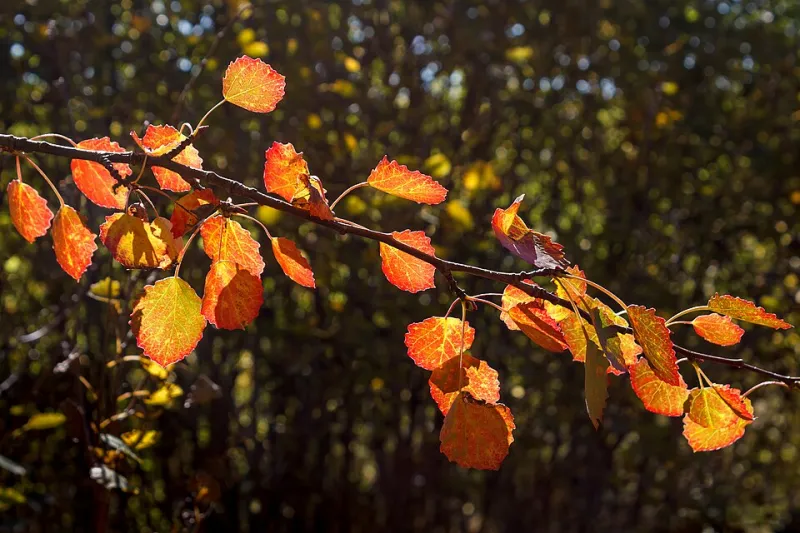
Photo: W.carter, CC BY-SA 4.0, via Wikimedia Commons
Somewhere between the pumpkin spice and the first frost, an unspoken national obligation kicks in: the leaves fall, and we clean them up. We rake, we blow, we bag, we drag those paper yard-waste sacks to the curb like it's our civic duty.
But here's the uncomfortable question nobody at the hardware store is asking: what if the whole ritual is a waste — of your weekend, your municipal budget, and your soil?
The Great Leaf Shipment
Start with the numbers. Researchers estimate that yard trimmings — leaves make up the lion's share each fall — account for tens of millions of tons of American waste annually. A meaningful chunk of that gets landfilled, where buried organic matter decomposes without oxygen and produces methane, a greenhouse gas far more potent than carbon dioxide over the short term.
Read that again: we burn gasoline to collect a natural resource, wrap it in plastic-lined bags, truck it to a landfill, and then it cooks the atmosphere from underground. Meanwhile, back home, our gardens are starving for exactly the organic matter we just threw away.
"Leaves are basically a slow-release fertilizer packet that trees spent all summer manufacturing," one urban ecologist told me. "Nature doesn't rake. Forests are mulched every single year, and that's why they're fertile."
What Your Lawn Is Actually Telling You
The anti-rake argument isn't just about emissions — it's about what leaves do when you leave them.
A layer of shredded leaves insulates soil, locks in moisture, suppresses weeds, and feeds earthworms and microbes that, in turn, feed your grass. Skip the bagging and you're essentially running a free soil-repair program all winter long.
The catch? Whole, matted leaves can smother turf. That's where the middle path comes in.
The Practical Compromise (For People With HOAs)
Look, most of us can't just let the yard go full woodland without a strongly worded letter from the neighborhood association. The good news: you don't have to.
Mulch-mow it. A standard mower with a mulching blade chops leaves into confetti-sized bits that sift down between grass blades and disappear. Studies from lawn-care extension programs have found that mulched leaves don't cause thatch or disease — they actually reduce dandelion and crabgrass pressure over time.
Blanket the beds. Rake the leaves you don't want on the lawn into your flower and vegetable beds, four to six inches deep. It's the cheapest mulch you will ever acquire, and by spring it's mostly broken down into rich, crumbly soil.
Keep some for the compost. Leaves are the carbon-rich "browns" every compost pile begs for. Stockpile a bag or two in a dry corner for summer, when your green kitchen scraps need balancing.
Check your city's rules. Many municipalities now run curbside composting or leaf-collection programs that turn yard waste into municipal mulch instead of landfill methane. If you do bag, make sure it goes to the compost pile, not the dump — and skip the plastic bags where your city accepts paper or reusable containers.
The Cost of Clean
There's an economic case hiding under the ecological one. Gas leaf blowers and mowers burn fuel, shed parts, and generate noise complaints in roughly equal measure. Municipal leaf pickup costs towns millions in labor and trucking every year — money that shows up, eventually, in your property tax bill.
Your time counts too. The average homeowner spends multiple hours each fall on leaf removal. Mulch-mowing the same yard takes a fraction of that, because you're just... mowing, which you were probably doing anyway.
A New Fall Tradition
There's something a little radical about doing less. Canceling rake season means redefining what a "tidy" yard looks like — one that's slightly less manicured and considerably more alive. The birds forage in the leaf litter. The fireflies, whose larvae overwinter in ground debris, thank you. The worms throw a party.
So this fall, try a smaller gesture: mow the leaves instead of bagging them, tuck the rest into your garden beds, and put the rake down. Your Saturday morning — and the landfill down the road — will both be lighter for it.