That $4 Latte Has a Passport: Tracing One To-Go Cup From Colombia to the Curb
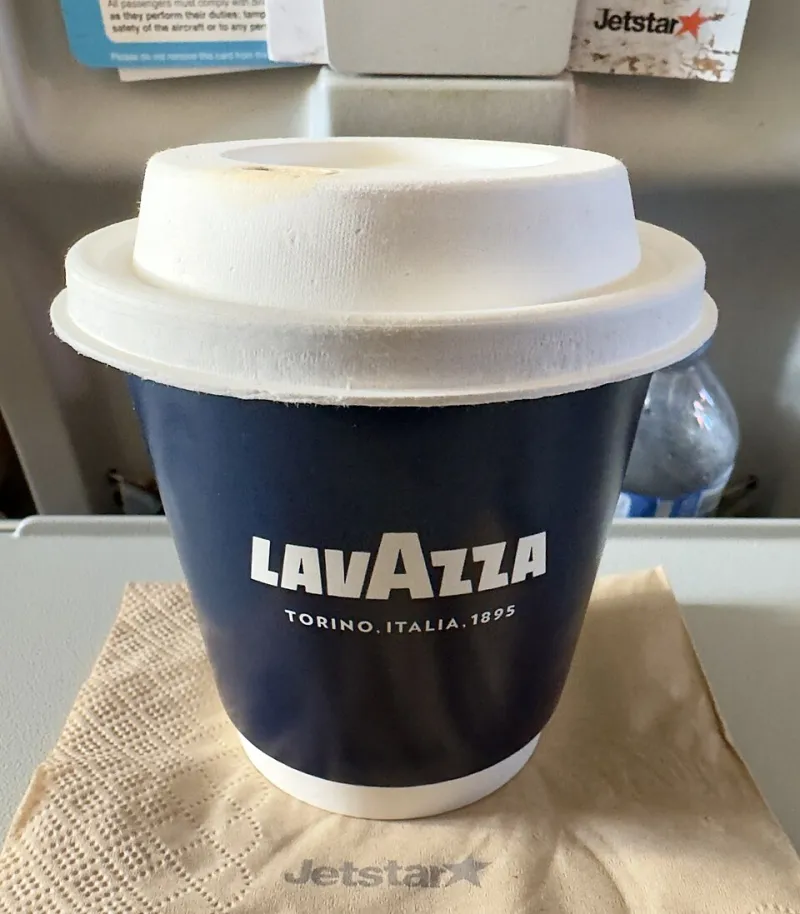
Photo: Kgbo, CC BY-SA 4.0, via Wikimedia Commons
It's 7:40 on a Tuesday morning, and a medium coffee in a paper cup is about to make a journey longer than most of us take all year. From a hillside farm in Colombia's Nariño region, through a roasting facility in New Jersey, across a drive-thru lane in Ohio, and finally — most likely — into a trash can. Total distance: roughly 2,500 miles. Total time in your hands: about 30 minutes.
Here's what that little cup actually costs the planet, and what happens when you run the numbers over a full year.
The Bean's Long Haul
Coffee is a thirsty crop. Depending on the method used to count, a single cup can represent anywhere from 35 to well over 100 gallons of water when you include growing, processing, and brewing. Much of that water falls as rain on Colombian hillsides, but wet-processing the beans — washing off the fruit pulp before export — draws heavily from local waterways, which is why some cooperatives have invested in closed-loop washing systems that recycle up to 90% of their water.
Then comes the shipping. Green (unroasted) beans travel by container ship to US ports — an efficient leg, all things considered, since ocean freight moves cargo at a fraction of the emissions of trucking. But once the beans land, the story changes. Roasting is energy-intensive: drum roasters running at 400°F-plus for 12 to 15 minutes per batch, often powered by natural gas. Roasting and packaging a pound of coffee emits roughly 4 to 5 pounds of CO2 before it ever leaves the warehouse.
The Cup Nobody Talks About
Now the coffee reaches the café, and here's where the waste math gets uncomfortable. That paper cup isn't just paper. It's lined with polyethylene so it won't leak — which means most curbside recycling programs can't process it. The plastic lid is typically #5 or #6 plastic, recyclable in some cities, not others. The cardboard sleeve is the one genuinely easy-to-recycle piece of the whole kit.
The result: Americans toss an estimated 50 billion single-use coffee cups a year. If you buy a to-go coffee every workday, you're personally contributing around 250 cups, lids, and sleeves annually — enough, stacked, to climb well past your roofline.
Add it up, and one life-cycle analysis puts a typical to-go latte's carbon footprint at around 0.3 to 0.5 pounds of CO2 — with dairy milk often accounting for more than the cup, the shipping, and sometimes the brewing combined.
Running the Year-Long Numbers
Let's say your habit is a $4.50 medium latte, five days a week, 50 weeks a year.
- Financial: $1,125 a year. That's a decent espresso machine plus a year of good beans, with money left over.
- Cups landfilled: roughly 250 cups and lids.
- Water embedded: somewhere between 8,000 and 20,000 gallons, depending on how the beans were grown and processed.
- Carbon: 60 to 100 pounds of CO2 from the drink alone — the majority from dairy.
None of this means you should quit coffee. It means the biggest levers are surprisingly specific.
Four Swaps That Actually Move the Needle
1. Bring your own cup. Many chains now offer 25 to 50 cents off for reusable cups. At 25 cents a day, that's about $60 back per year — and roughly 250 cups kept out of the trash. If you forget yours, skipping the lid and sleeve still helps.
2. Rethink the milk, not the coffee. Black coffee's footprint is a fraction of a latte's. Switching to oat milk cuts the dairy emissions dramatically; even doing it two or three days a week matters more than any cup-related choice.
3. Brew at home two days a week. A pour-over or simple drip setup costs less than two weeks of café runs. Home brewing with a reusable filter is about as low-waste as coffee gets, and you control the bean sourcing — look for Rainforest Alliance or Fair Trade certifications.
4. If you're stuck with a to-go cup, compost the grounds, not the cup. Spent coffee grounds are garden gold — nitrogen-rich, great for compost bins or sprinkled directly around acid-loving plants like hydrangeas.
Small Cup, Real Choice
Nobody's asking you to give up your morning ritual. Coffee is one of life's reliable pleasures, and the farmers who grow it deserve our continued business. But there's a difference between a habit and a rut. A $1,100-a-year ritual that generates 250 pieces of landfill waste can become, with two or three small tweaks, a cheaper one that wastes almost nothing.
Tomorrow at the counter, you get a vote. Bring a cup, swap the milk once or twice, and let the beans keep doing the traveling — not the trash.