The Carbon Bill Hides in the Big Stuff: Rethinking Your Fridge, Car, and Washer
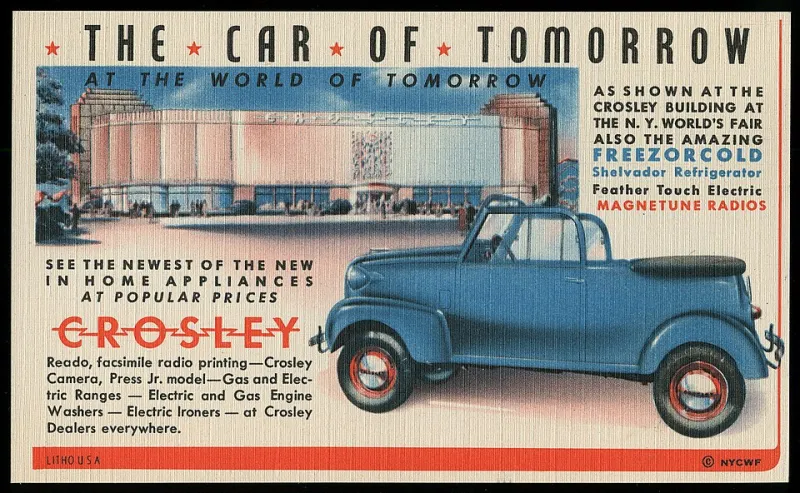
Photo: Steve Shook from Moscow, Idaho, USA, CC BY 2.0, via Wikimedia Commons
You've probably heard the guilt-by-checklist version of green living: skip the straw, bring the tote, refuse the receipt. Fine habits, all of them. But if you tally the actual emissions tied to how American households spend money, those micro-choices barely register next to five decisions most of us make only a handful of times in our lives: the car, the refrigerator, the washer, the water heater, and the furnace.
Those are the heavyweights. And the uncomfortable truth is that a shiny new 'eco' model isn't always the greenest option on the lot.
The Manufacturing Hangover
Every product carries what researchers call embodied carbon — the emissions baked in before you ever plug it in. Mining the steel, smelting the aluminum, shipping components across the Pacific: all of that happens before your fridge cools a single gallon of milk.
A new refrigerator represents roughly 1,500 to 2,000 pounds of CO2 before it does anything useful. A new car? Depending on size and battery choices, anywhere from 10 to 30 tons of emissions before the odometer hits zero. That's why the greenest appliance is very often the one already humming in your garage.
When Keeping Beats Upgrading
Here's the general rule: the more energy-efficient a machine is in use, the faster a new model pays back its manufacturing debt. The less efficient — or the less you use it — the longer the payback, and the more likely that repair or reuse wins outright.
- Refrigerators run 24/7, so a new Energy Star unit replacing a fridge from the 1990s pays back its footprint in about three to five years. If yours is that old, upgrading is genuinely a climate move.
- Washers and dishwashers are used intermittently. A working machine from the 2010s might take a decade to earn back its manufacturing carbon. Keep it running.
- Cars are the biggest lever of all. Keeping a well-maintained used sedan for five more years usually beats buying a new car — even a hybrid — unless your current vehicle is a genuine gas hog.
The Used Market Is Underrated
A secondhand refrigerator has already paid its manufacturing toll. Someone else absorbed that carbon; now you get the benefit. Refurbished appliance dealers, Habitat for Humanity ReStores, and local Facebook Marketplace listings can shave hundreds of dollars off major purchases while cutting the footprint dramatically.
The same logic applies to vehicles, where the used EV and used hybrid market has matured considerably. A three-year-old electric car has a smaller total footprint than a new gas car and usually costs far less.
A Decision Framework for the Big Five
Before your next major purchase, run it through these four questions:
- Can it be repaired? A $250 compressor swap beats a $2,500 replacement if the machine is otherwise sound.
- Can it be bought used? For washers, dryers, and cars, almost always yes. For fridges, check the age — pre-2010 units are usually worth replacing, not reselling.
- Is the efficiency gap real? Compare actual EnergyGuide labels, not marketing copy. A 5% improvement doesn't justify a replacement.
- What happens to the old one? Donate, resell, or confirm the retailer will recycle it. Landfilling a working appliance throws away all that embodied carbon for nothing.
The Bottom Line
Small swaps still matter — they build habits and keep sustainability visible in daily life. But the real leverage lives in the big-ticket decisions, where a single choice can swing tons of carbon either way. Buy less often. Fix what works. Buy used when you can. And when you do upgrade, make it count.